

Diethyl Safranine
Description
Diethyl Safranine is a synthetic cationic dye belonging to the phenazine family, commonly used as a biological stain and redox indicator. Chemically, it is derived from safranine by introducing two ethyl groups, which modify its solubility and staining properties. It appears as a deep red or purple crystalline powder, highly soluble in water and alcohol, and exhibits strong affinity for acidic cellular components such as nucleic acids and certain proteins. In microbiology and histology, it is used for counterstaining in Gram staining, as well as for visualizing plant tissues and bacterial cells under the microscope. Additionally, diethyl safranine can act as a redox-active dye in electrochemical and biochemical experiments due to its reversible oxidation-reduction properties. Its combination of staining intensity, chemical stability, and versatility makes it a valuable tool in scientific research.
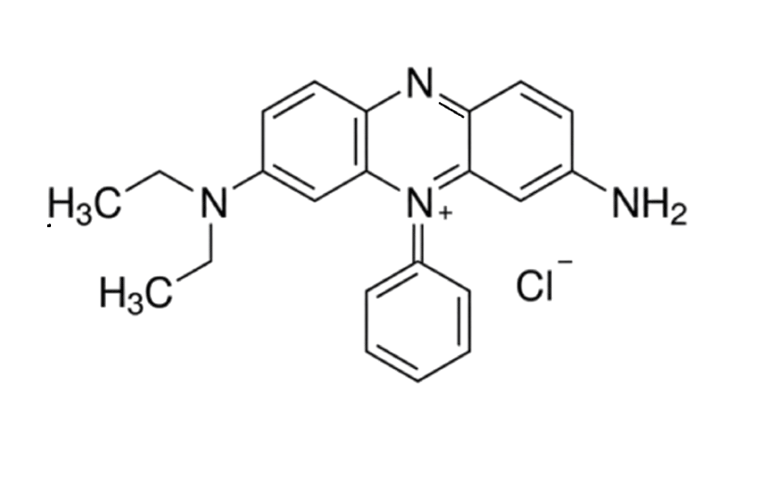

Structure of Diethyl Safranine
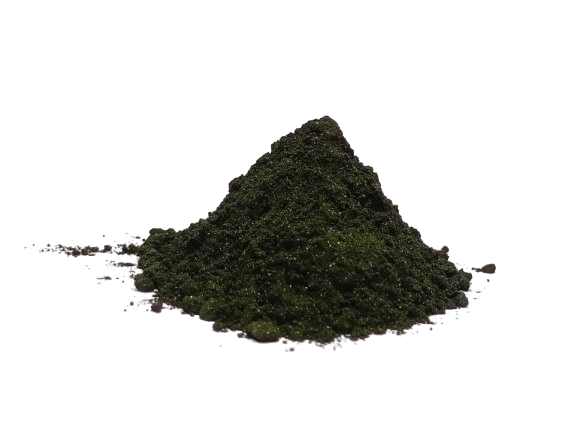
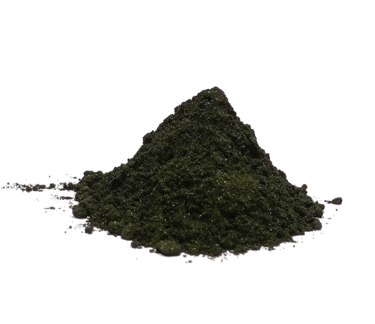
Appearance of Diethyl Safranine
Molecular Formula
CAS No.
CI No.
IUPAC Name
Synonyms
Molecular Weight
Appearance
Solubility
Dye Content
(Spectrophotometry)
C₁₈H₂₀N₄
5469-86-2
50240
3,7-Diamino-1,8-diethylphenazinium chloride
BASIC VIOLET-5
288.38 g/mol
reddish-purple crystalline powder,
Soluble in water
98%
Uses
1. Biological Staining
Diethyl Safranine is primarily used as a biological stain because of its strong affinity for acidic components in cells, particularly nucleic acids and certain proteins. It binds to negatively charged molecules due to its cationic (positively charged) nature. Some detailed applications include:
Histology & Cytology:
It is widely used to stain nuclei in plant and animal tissues, providing clear contrast against cytoplasm when used with counterstains.
In plant tissues, it highlights lignified cell walls, xylem, and phloem structures.
Microbiology (Gram Staining):
Often used as a counterstain after crystal violet and iodine treatment in Gram staining. It stains Gram-negative bacteria pink/red, allowing differentiation from Gram-positive bacteria, which retain the primary stain.
Its staining is highly reliable for observing bacterial morphology under light microscopy.
Mitochondrial and Nuclear Staining:
Safranine dyes, including diethyl safranine, accumulate in mitochondria due to membrane potential, making them useful in fluorescence microscopy and studies of cell energetics.
2. Redox Indicator and Biochemical Uses
Diethyl Safranine has redox-active properties, which make it useful in chemistry and biochemistry:
Electron Transport Studies:
It is used in mitochondrial research to monitor electron flow and membrane potential, as it can undergo reversible reduction and oxidation.
In experimental setups, the color change from red (oxidized) to colorless or pale (reduced) indicates redox state changes.
Electrochemistry:
Acts as a redox mediator in electrochemical cells and enzymatic assays.
Can shuttle electrons between electrodes and biological molecules, helping in studying enzymatic activity and energy transduction.
Photosynthesis Research:
Sometimes used as an artificial electron acceptor to study photosynthetic electron transport in chloroplasts.
3. Industrial and Analytical Uses
While less common, diethyl safranine also finds roles in analytical chemistry and materials science:
pH and Redox Indicator:
Its color change with redox reactions allows it to function as a visual indicator in titrations or analytical assays.
Dyeing and Coloring:
Historically, derivatives of safranine were used as textile dyes, inks, and pigments. Diethyl modification improves solubility in organic solvents, making it suitable for certain industrial applications.
Research Tool in Membrane Studies:
Because of its ability to accumulate in negatively charged compartments (like mitochondria or vesicles),
it is sometimes used to track membrane potentials or vesicular transport.
Packing
Export Worthy packing.
Storage Conditions
Store in room temperature
:
:
:
:
:
:
:
:
:
Contact
Reach out with questions or service requests
Phone
© 2023-2025, All Rights reserved by AADHAV Remedies Pvt Ltd.